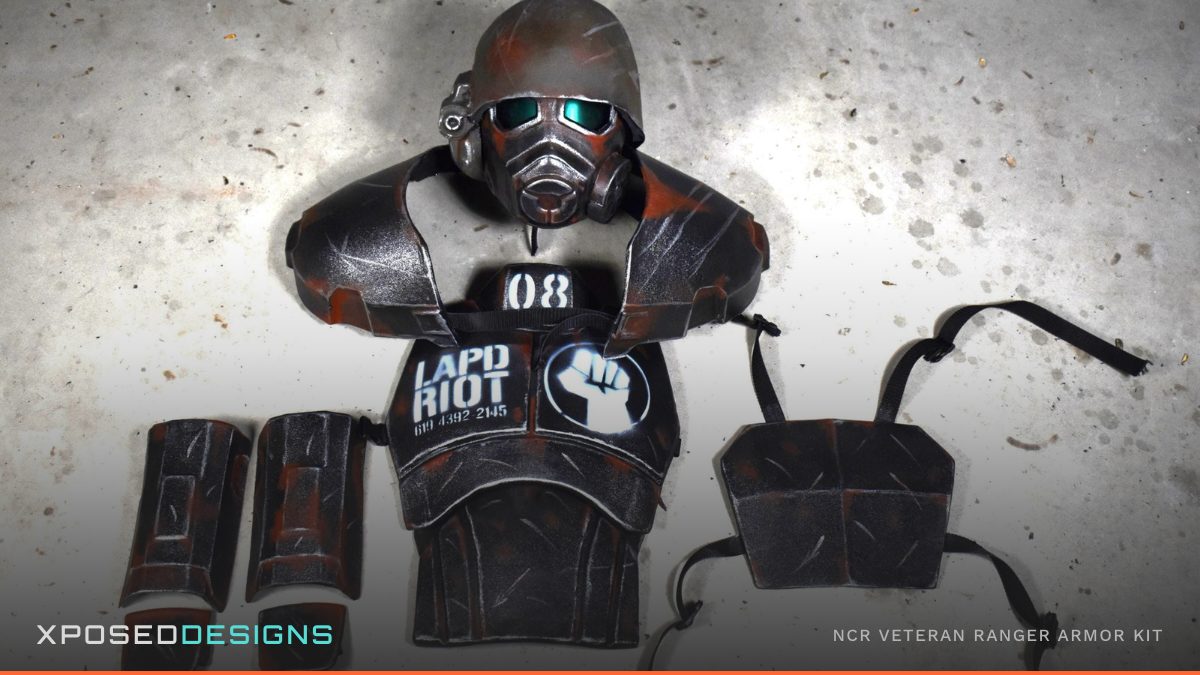
How to Turn a Cosplay Armor Kit into a Halloween 2026 Costume
Halloween lands on a Saturday this year, which means neighborhoods, parties, and costume contests all get the full weekend treatment. It also means the search traffic for "last minute Halloween costume" spikes hard in the final two weeks of October, right when it's too late to start a real armor build. If you want to walk into a Halloween party or a costume contest in something built rather than bought off a rack, the window to start is now.
This guide covers what's different about building armor for Halloween specifically, as opposed to a convention: the timeline math, the weather considerations, the comfort priorities, and how to scope a build that's genuinely finishable by October 31 instead of a half-painted chest plate sitting on a workbench in November.
Halloween Is a Different Build Brief Than a Convention
Our 90-day cosplay armor build guide walks through a full-suit timeline aimed at convention season, but Halloween has its own constraints that change the calculation.
The deadline doesn't move. Conventions sometimes have flexibility. Halloween doesn't. October 31 is October 31, and if you're building for a specific party or a trick-or-treat night with kids, the piece needs to be done, dry, and comfortable to move in well before that date.
The wear conditions are different. A convention happens indoors, mostly, under climate control, for a scheduled block of hours. Halloween night happens outdoors, after dark, often in October weather that's colder and wetter than a July or August convention. If you're walking a neighborhood or standing at a party for several hours, the comfort and weatherproofing questions matter more than they do for an indoor con floor.
The scope is usually smaller. Few people build a complete floor-length suit purely for a single Halloween night. A strong helmet and chest piece, worn over a base layer, reads clearly in photos and in person without requiring the full multi-month commitment of a convention-grade suit. Scope accordingly.
Working Backwards from October 31
Starting from today, here's a realistic timeline for a Halloween-scoped build (helmet plus chest plate, kit-based):
Now through mid-August: order and plan. If you're starting from a DIY kit, order now. Processing and shipping times on custom or made-to-order armor can range from a few weeks to a couple of months depending on the piece, and rush options exist but shouldn't be the plan you count on. Decide on your scope while you wait: which armor variant, which color scheme, whether you want the raw ABS kit or the assembled tier.
Late August through September: assembly and paint. This is the bulk of the actual build time. Our ABS painting guide covers the full process from clean plastic to sealed finish. Assemble first, then paint the assembled piece as one continuous unit; painting individual panels before assembly is the single most common mistake we see, because the adhesives used to bond ABS will peel cured paint right off the panels they touch.
Early October: strapping and fit testing. Get the piece on a body (yours or whoever's wearing it) with whatever base layer you're pairing it with. Walk around in it. Sit down in it if you'll be sitting at any point during the night. Fix anything that pinches, slides, or restricts movement while you still have weeks of buffer, not days.
Mid-to-late October: weatherproof and finalize. Clear coat should be fully cured well before Halloween night. If your area gets rain or heavy dew in late October, a finished clear coat matters more here than it does for an indoor convention. Pack a small repair kit (duct tape, a spare strap, safety pins) the same way you would for a convention.
Halloween week: rest, don't rush. If you've stuck to the timeline, this week is for final touch-ups and packing, not for finishing base coats. If you're behind, this is the week to cut scope rather than cut cure time. A finished helmet alone beats an unfinished full suit every time.
What Makes an Armor Piece Work for Halloween Specifically
Weather resistance matters more than it does at a summer con. Thermoformed ABS is highly weather resistant, which is a real advantage for a night that might include a light drizzle, cold temperatures, or standing around outdoors for extended stretches. EVA foam can absorb moisture and is more sensitive to temperature extremes; if your Halloween plans involve any real outdoor exposure, factor that into your material choice.
Layering for warmth changes your fit. October nights are colder than convention floors. If you're planning to wear a jacket, hoodie, or thermal layer underneath your armor, account for that extra bulk when you're doing your fit test, not after the piece is painted and strapped.
Visibility at night is a real practical concern, especially if kids are involved or you're walking along streets with car traffic. A light-colored base coat, reflective tape worked into a strap or seam, or a small clip-on light are all reasonable additions that don't compromise the look.
Mobility for stairs, sidewalks, and door-to-door walking. A costume that photographs beautifully standing still needs to also let you climb porch steps and walk a few miles of sidewalk over the course of an evening. Test this specifically if trick-or-treating is part of your plan.
Scoping the Right Build for the Time You Have Left
If you're starting now with the full window: a chest plate and helmet is a strong, achievable target. It reads clearly in every photo and doesn't require the multi-month time investment of a full suit. Reference our convention survival guide for comfort and quick-release planning that applies just as well to a Halloween night as it does to a con floor.
If you're starting later in September: scope down to a single strong piece. A helmet alone, worn with a coordinated base outfit, reads well and is genuinely finishable in the time remaining. Our beginners guide has a full breakdown of realistic time investment for a single piece.
If you're starting in October: the assembled or assembled-and-painted tier removes the fabrication and finishing time entirely, leaving you with strapping and fit as the only remaining work. This is exactly the scenario that tier exists for.
The Halloween Costume Reuse Advantage
One thing worth knowing before you build: armor built for Halloween isn't a single-use costume the way a store-bought outfit is. A properly stored piece (see our storage and transport guide) holds up for years, which means this year's Halloween build can become next spring's convention piece, next year's Halloween costume again, or a display piece the rest of the year. That reuse value is part of why a kit build is worth the time investment even for a single-night event.
Browse the full armor kit lineup at xposeddesigns.com/collections/all, including the NCR Veteran Ranger armor kit, T-51B power armor kit, and Combat Armor full set. If you're not sure a build is realistic in the time you have left before October 31, reach out; we'll help you scope something that's actually finishable.
Building for Halloween this year? Tell us your timeline in the comments and we'll help you figure out what's realistic. Follow @XposedDesignsLLC on Instagram for build progress and Halloween-ready finishes as October gets closer.